
Featured content
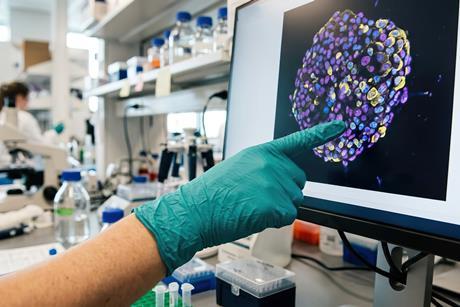
Reproducible organoids start with reliable cytokines
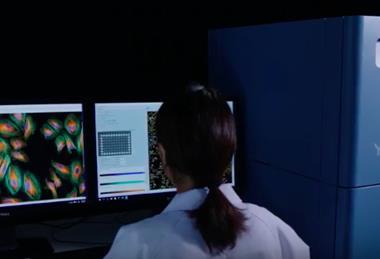
The right signals can make or break an organoid model. From growth and differentiation to downstream drug testing, cytokines and growth factors are critical to creating cultures researchers can rely on.
 Article
Finding drug targets through the noise of complex disease
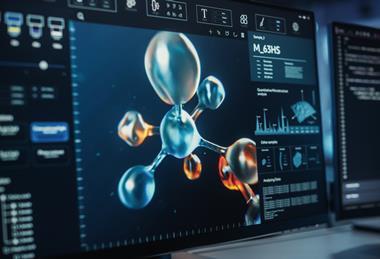
The strongest disease signal may not point to the best drug target. AI could help researchers identify what matters within complex biological networks.
 Article
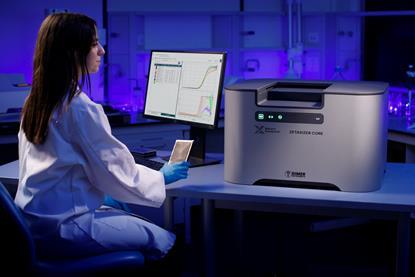
Faster, scalable biologics stability testing without sacrificing data quality
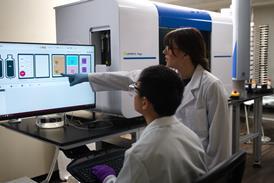
Stability problems can derail promising biologics late in development. Bringing high-throughput testing earlier into discovery could help researchers identify risks before they become costly failures.
 Interview
A sceptical guide to AI agents in drug discovery
AI agents promise to transform drug discovery, but where do they really add value? Dr Eric Ma examines search, model choice, vendor lock-in and why scientific expertise matters more than ever.
News
 News
NewsResearchers solve 30-year mystery of key inflammatory enzyme gene
A gene responsible for producing a critical enzyme in inflammatory signalling has been identified after more than 30 years, with findings suggesting the pathway acts as both an immune alarm and a cellular shield with implications for cancer, IBD and asthma.
 News
NewsBacterial microrobot platform achieves 82 percent tumour inhibition in bladder cancer
A hybrid microrobotic platform combining living bacteria, nanoparticles and targeted chemotherapy has achieved 82.4 percent tumour inhibition in preclinical bladder cancer models.
 News
NewsSelf-driving labs and advanced cell models feature at ELRIG 2026
From self-driving laboratories to advanced cellular models, ELRIG Drug Discovery 2026 showcases technologies helping researchers generate better data, evaluate drug candidates and improve early discovery.
 News
NewsBCAT1 enzyme identified as fibrosis target after heart attack
Researchers at Nagoya University have identified BCAT1, an enzyme involved in proline supply for collagen synthesis, as a potential target for reducing cardiac fibrosis following myocardial infarction.
From our partners
Webinar
From antibody discovery to development: long-read sequencing in practice
As sequencing continues to grow in importance across biotherapeutic discovery and development, where can it make the biggest impact and how can fragmented workflows be overcome?
Webinar
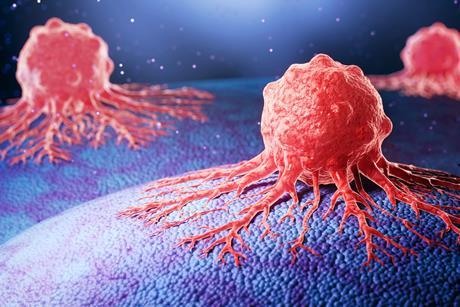
What it really takes to turn cancer discoveries into new therapies
Five leading cancer researchers from across genomics, proteomics, cell biology, chemical biology and gene therapy dig into what’s driving cancer drug discovery forward and what’s still holding progress back.
Opinion and interviews

A sceptical guide to AI agents in drug discovery
AI agents promise to transform drug discovery, but where do they really add value? Dr Eric Ma examines search, model choice, vendor lock-in and why scientific expertise matters more than ever.
- Previous
- Next



Join now
Unlock exclusive industry insights
- Bookmark articles and resources to access anytime
- Enjoy free access to industry leading resources, webinars and insights
- Stay informed with the latest news and breakthroughs
- Receive updates and recommendations tailored to your research interests
Upcoming Webinars
Webinar
From antibody discovery to development: long-read sequencing in practice
As sequencing continues to grow in importance across biotherapeutic discovery and development, where can it make the biggest impact and how can fragmented workflows be overcome?
Webinar
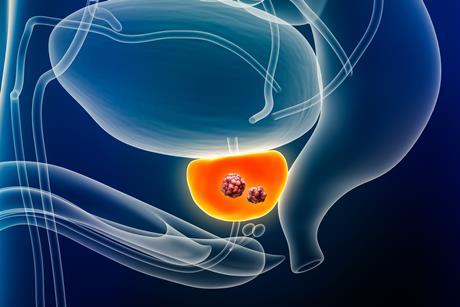
Mapping the prostate tumour microenvironment with spatial proteomics
As spatial proteomics advances, how can researchers find the complex biology of the prostate tumour microenvironment while preserving spatial context? Hear experts from the University of Surrey share their approach.

Webinar
Cracking cell dynamics with single-cell proteomics and CRISPR
What can pooled CRISPR screening and protein‑level readouts reveal that transcriptomics alone can’t? Explore how single‑cell genomic perturbations, intracellular protein measurements and surface‑protein profiling expose signalling pathways and clarify antibody specificity.
Webinar
What it really takes to turn cancer discoveries into new therapies
Five leading cancer researchers from across genomics, proteomics, cell biology, chemical biology and gene therapy dig into what’s driving cancer drug discovery forward and what’s still holding progress back.
Webinar
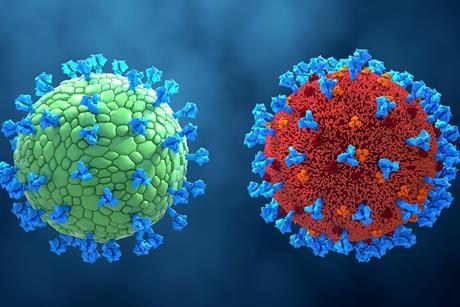
VLPs as serological tools for diagnostics and vaccine development
What makes VLPs so useful in diagnostics and vaccine development? Explore their manufacture, serological applications and use in capturing neutralising antibodies.
Webinar
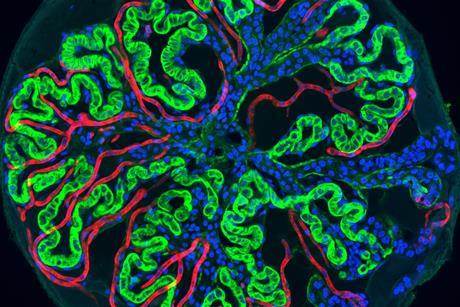
From vial to viable: best practices for culturing organoids
Poor recovery, inconsistent growth and changes in morphology can affect organoid research. How much experimental variability starts with the culture itself?
From antibody discovery to development: long-read sequencing in practice
Mapping the prostate tumour microenvironment with spatial proteomics
Cracking cell dynamics with single-cell proteomics and CRISPR
What it really takes to turn cancer discoveries into new therapies
VLPs as serological tools for diagnostics and vaccine development
From vial to viable: best practices for culturing organoids
On-demand Webinars
- Previous
- Next